Multiwall Paper Bags Manufacturer
Turkey Time: Loading...
Multiwall Paper Bags Manufacturer



| Introduction |
| History and concept |
| How it works in practice |
| FAQ |
What is the Paper Bag Test? In simple terms, it is a metaphor used in discussions about bias, judgment, and context. It is not a scientific instrument; rather, it invites readers to examine evidence, avoid snap conclusions, and consider how appearance can influence information processing. This concept is widely referenced in discussions about media literacy across the United States and Europe.
\nIn the US, the phrase may surface in conversations about representation, colorism, or advertising ethics. In Europe, it tends to appear in debates about bias, labeling, and responsible communication. The core idea across both regions is to slow down judgment and demand credible support for claims.
\nA common misconception is treating this metaphor as a precise measurement or a medical tool. It is not. It is a starting point for discussing how quick judgments can be biased by surface cues and incomplete data. Use it to teach critical thinking, not to label people.
\nThe idea behind the Paper Bag Test emerged as a simple metaphor to discuss shade, bias, and fairness in everyday discourse. This section traces how the term evolved from a social illustration into a broader teaching point about accuracy and context.
\nToday the expression appears in both American and European media literacy resources as a gentle reminder to verify sources, question headlines, and seek diverse viewpoints.
\nIn the US, discussions often center on colorism, representation, and social impact. In Europe, the emphasis tends toward bias in advertising, journalism, and consumer education. The takeaway is the same: think critically and seek context.
\nEthics matter: avoid turning the metaphor into a label for people. Use it to teach critical thinking, not to shame individuals or groups.
\nPastel note: Context and evidence matter more than appearances.
\nA practical way to discuss the concept is to describe a four-step process: identify the claim and the context, check the evidence, seek reliable sources, and reflect on potential biases. What is the Paper Bag Test should be described as a metaphor, not a measurement.
\nConsider a news article claiming a breakthrough. Rather than accepting the headline, apply the metaphor: what does the evidence show, what is missing, and who provides the data?
\nUse the concept to educate others about critical thinking. Do not weaponize it to shame individuals. Encourage questions, dialogue, and a search for credible information.
\nWhat is the Paper Bag Test? This FAQ explains that it is a metaphor used to discuss bias and judgment, not a scientific method. It encourages readers to consider context, evidence, and credible sources.
\nNo. It is not a proven scientific procedure. It is a rhetorical device used to promote critical thinking. Rely on peer-reviewed information and multiple sources for factual claims.
\nFollow a structured approach: check the source, verify the claim with data, examine potential biases, and compare with independent analyses. Use the metaphor as a teaching prompt, not as a verdict.
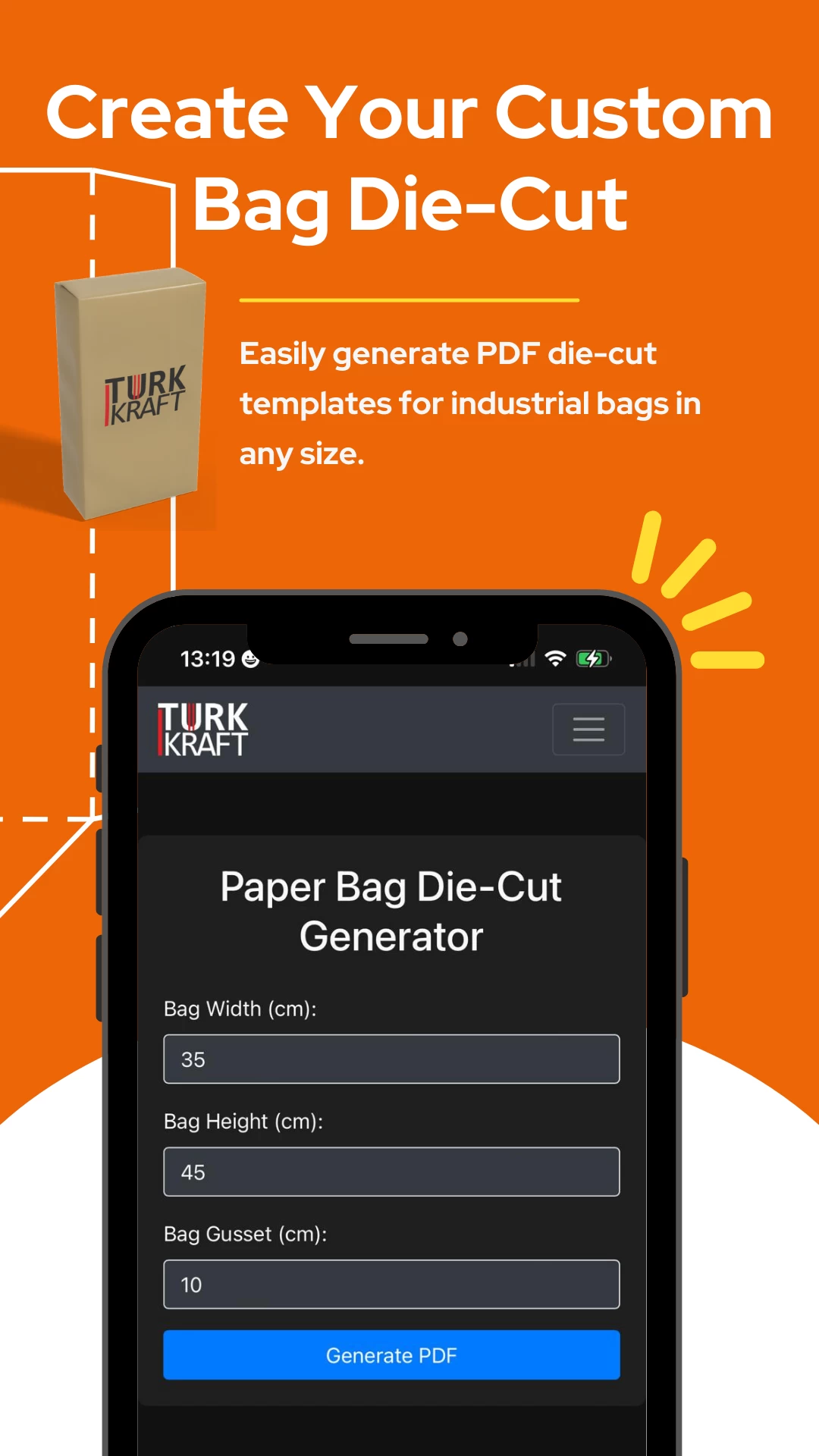



Türkkraft® is a producer of multi-wall industrial paper and PP sacks. It operates with intercontinental production.
